Can a Regulator Weaken Water Flow Throughout Your House?
Yes a failing pressure regulator can restrict flow throughout a house, especially when showers, sinks, and upstairs faucets all weaken together. The valve controls incoming pressure, so a worn or stuck regulator can leave several fixtures struggling; a local restriction usually affects fewer fixtures.
Start with diagnosis, not an adjustment. Kansas weather can add complications: hot summers increase household water use, which can make a marginal system feel worse during peak demand.
Clay-heavy soils expand when wet and shrink during drought, stressing buried service lines and making a leak another possibility. Cold winter fronts can freeze exposed plumbing, so protect vulnerable pipes before a freeze rather than assuming the regulator caused every sudden drop.
-
Notice the pattern: Check whether weak flow affects hot and cold water at several fixtures.
-
Avoid guessing: A pressure reading can separate a regulator problem from a supply or pipe issue.
-
Watch for change: Note whether the symptom began suddenly or worsens during busy water-use periods.
Record which fixtures are affected before arranging a pressure check.
Can a pressure regulator restrict the whole house?
If pressure suddenly weakens at multiple fixtures, the regulator is a reasonable suspect but it is not the only one. A pressure-reducing valve can stick, wear internally, or fail to respond as water demand changes. That can reduce available flow across the home, even if the valve still looks intact from the outside.
We check the pattern before recommending replacement. For example, if cold and hot taps throughout the home are affected, the issue is more likely upstream than a single fixture.
A shower that weakens only when another faucet runs can point to a different supply or piping limitation. Our crew serves homes across Kansas, from properties near Botanica Wichita to households elsewhere in the state, and we compare symptoms with measured readings rather than turning the adjustment screw on a hunch.
What does a pressure test reveal?
A pressure gauge gives useful evidence, but the timing of the test matters. Static pressure is checked with fixtures closed; dynamic pressure is checked while water flows. If the first reading looks acceptable but pressure falls sharply during use, the system may have a flow restriction or a supply problem that a static check alone would miss.
We record both readings and note which fixtures are running. That step helps distinguish a regulator that cannot maintain pressure from a partially closed shutoff or a restricted pipe.
A regulator setting should not be raised blindly: too much pressure can strain plumbing and fixtures. Seasonal temperature swings can also affect pressure-sensitive equipment, so we consider when the symptoms occur and whether they are consistent.
Homeowners near the Brown v. Board of Education National Historical Park in Topeka can use the same practical approach: document the readings and symptoms, then ask for the result in plain language.
When is it a regulator or another fault?
If pressure stays weak everywhere, a regulator fault is possible, but a damaged supply line, obstruction, or shutoff issue can produce similar symptoms. If only one faucet or shower is affected, a local fixture restriction becomes more likely. When hot water is weaker than cold, the cause may be on the water-heater side rather than at the regulator.
We also ask whether the pressure changed after plumbing work and whether the main shutoff was disturbed. On older systems, galvanized pipe corrosion can narrow the passage and restrict flow; replacing a regulator will not clear that buildup.
Homes near Massachusetts Street in Lawrence, for instance, may include a range of building ages, so the pipe material and repair history matter more than the neighborhood name. For broader symptoms, our article on water pressure suddenly dropping throughout a Kansas home covers other patterns to note.
When should you DIY or call a plumber?
You can safely check whether several fixtures are affected, confirm that a visible shutoff handle has not been accidentally moved, and note whether the issue changes when water use stops. Do not force a stiff valve or dismantle a regulator under pressure. Those steps can create a leak or make the original problem harder to diagnose.
Call a plumber if weak flow affects the whole house, readings fall during use, or you see water around the valve or nearby piping. Our process is to inspect access and connections, test pressure under more than one condition, explain the likely cause, and outline a practical repair.
The Flint Hills Discovery Center in Manhattan is a familiar Kansas landmark, but homes across the state have different plumbing layouts; access and pipe condition shape what the test can establish. If the evidence points to the valve, Pressure Regulator Repair is the relevant next step.
Which Repair Fits a Housewide Pressure Problem?
The right repair depends on whether testing points to the regulator, the water source, or a restriction elsewhere in the plumbing. A regulator limits incoming pressure; a booster pump raises it, so they solve different conditions.
| Option | Best for | Key detail |
|---|---|---|
| Pressure regulator repair | Weak pressure across multiple fixtures with evidence of a regulator fault | Common setting is 50–60 psi; test before adjustment |
| Booster pump installation | Supply pressure remains inadequate after diagnosis | Select capacity in gallons per minute for the home’s demand |
| Well pump pressure repair | Weak flow paired with irregular pump operation | Check the pump and pressure controls together |
| Water line or pipe repair | Leak, corrosion, or blockage is found | Typical supply line is 3/4 inch; branch lines are often 1/2 inch |
Daniel Bernoulli’s fluid-flow principles help explain why pressure and flow are related, but a reading alone does not identify the failed part. Along I-35 through Kansas, seasonal travel may make a plumbing issue inconvenient to schedule; plan access and service timing before work begins.
Clinton State Park is another local reference point, while four distinct seasons from winter freezes to summer heat make it sensible to report when symptoms occur. For an active leak, emergency leak detection and emergency service may be more urgent than comparing routine repair options.
How Should You Prepare for a Regulator Pressure Check?
If the shower and kitchen tap both weaken, note the pattern before the appointment and make the regulator area reachable. That gives the plumber room to test without moving stored items first.
-
Locate the shutoff: Find the main shutoff and identify its handle, but do not force it if it is stuck.
-
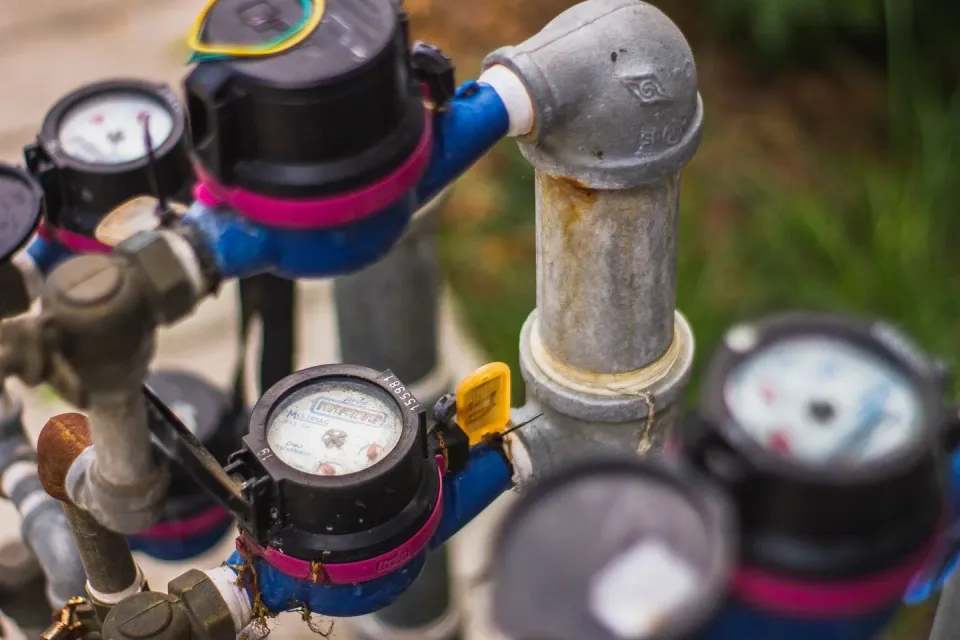
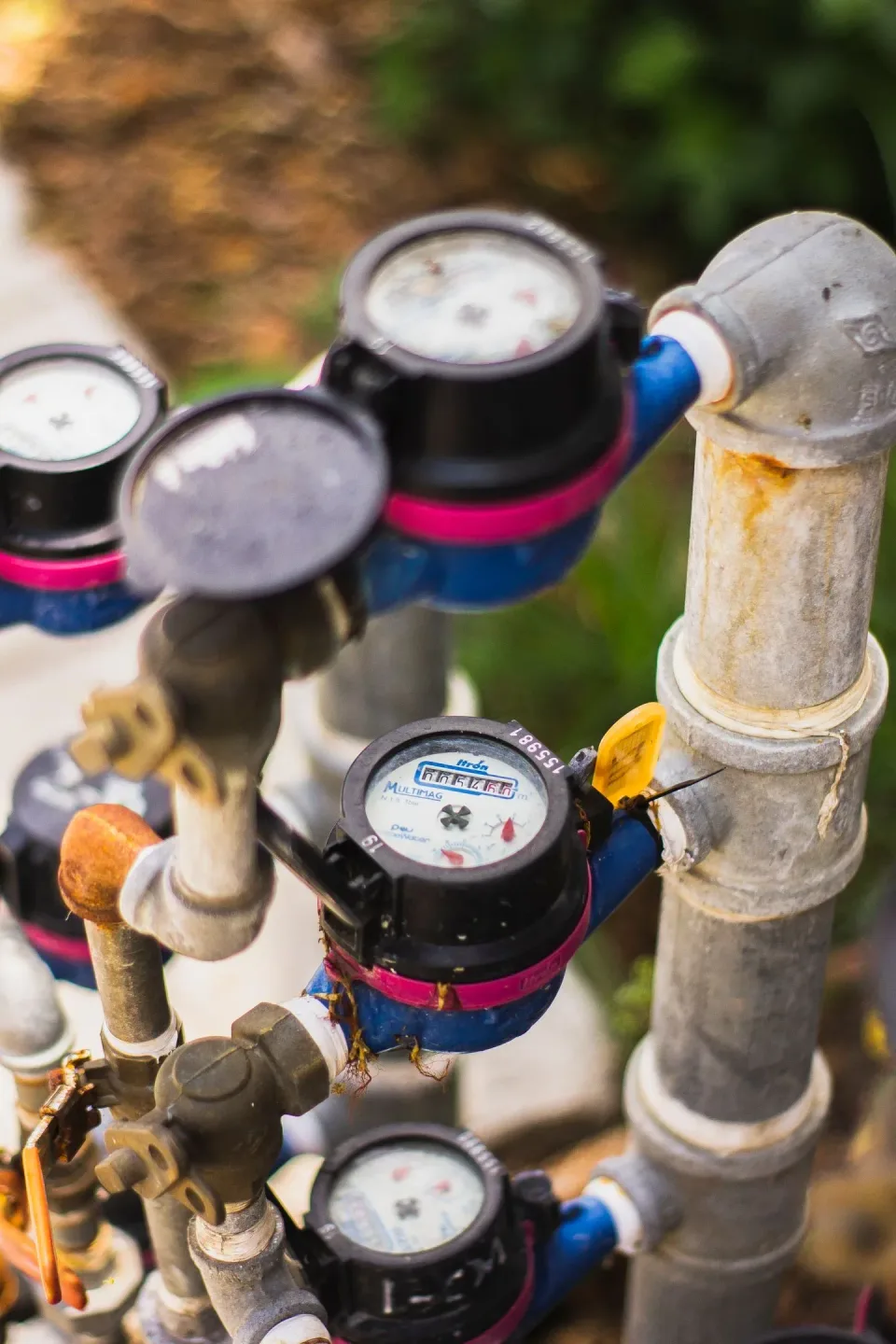
Clear the work area: Move belongings away from the regulator and water meter so both can be inspected.
-
Share the symptoms: Tell us which fixtures are weak and whether the problem changes during the day.
-
Identify the system: Let the plumber know if the home uses private-well equipment.
-
Protect nearby surfaces: Clear a path and move valuables away from the indoor work area.
-
Allow retesting: Keep access open so pressure can be checked again after any repair.
For discreet scheduled service, agree on an access window and keep pets clear of the work area. If you are coordinating from near Boot Hill Museum in Dodge City or the Keeper of the Plains in Wichita, give the crew the property location and access details when booking; that helps plan the visit without assuming every home has the same layout.
Get a Measured Answer for Housewide Weak Flow
A pressure regulator can cause weak flow throughout a house, but symptoms alone cannot confirm that it has failed. A measured diagnosis helps separate a valve problem from a shutoff, pipe, or supply issue before parts are replaced.
On older plumbing, galvanized pipe corrosion can restrict water flow and may remain the real cause even after a regulator adjustment. Keep a record of affected fixtures and when the problem occurs.
The Kansas State Capitol in Topeka is one point on a wide statewide service map; we coordinate diagnosis based on the home’s plumbing and access. Contact Kansas Plumbing Pros for Water Pressure Diagnosis to arrange a pressure check and discuss the findings.