Is Your Kansas Main Water Line Losing Strength?
A weak main water line needs repair when a leak, damaged section, or restriction is confirmed; replacement makes sense when deterioration is widespread. A pressure drop at every fixture deserves a closer look.
Our crew checks the supply path before recommending excavation or new pipe, because a failing regulator or shutoff can mimic a line problem. Near Kansas City, traffic around Kansas Speedway can affect how we plan a site visit and equipment access, so mention any access limits when scheduling.
If your home is near Interstate 70, give us the property location early; coordinating work along a statewide route takes practical scheduling. We also consider how water pressure at a home near the Kansas State Capitol in Topeka can differ with supply and elevation. We measure and explain before proposing work.
When does weak pressure point to the main line?
If water pressure suddenly weakens throughout the house, or multiple fixtures lose flow together, the service line is one possibility but not the only one. We first compare pressure at the main shutoff and at fixtures, then check the regulator and visible pipe.
A pressure reading is measured in pounds per square inch; static pressure is tested with fixtures closed, while dynamic pressure is checked as water flows. That difference helps show whether the problem appears only under demand.
On the University of Kansas campus in Lawrence, a building operator would want a clear distinction between a line restriction and a fixture issue; homeowners benefit from that same careful diagnosis. See our guide to whole-house pressure loss for symptoms that can have more than one cause.
Can Kansas soil and heat damage a buried line?
Clay-heavy soils may swell when wet and shrink during drought, putting movement stress on buried service lines. Summer heat can dry soil around a line, so a pressure problem that develops after a prolonged dry spell deserves inspection rather than a quick guess.
Hot summers also increase water use and peak demand; a line with limited capacity may show its weakness when several fixtures run. We ask when the symptom began and whether it changes with household use.
Near Kansas State University in Manhattan, the same practical question applies to a residence as to a campus building: does flow remain weak when demand is low, or fall further during simultaneous use? That pattern helps guide the next test.
Should you repair a section or replace the line?
A localized leak or damaged fitting may be repairable, while extensive corrosion, repeated failures, or a long restricted section can make replacement the more durable choice. We look at the pipe material, condition, access, and the extent of the affected run before advising either option.
Galvanized steel can corrode internally and narrow the path, but that does not prove the buried main is the source; other restrictions can produce similar symptoms. In western Kansas, generally drier conditions than in the east can influence how quickly surrounding soil loses moisture, so note seasonal changes in pressure when describing the problem.
For background on a confirmed leak, read about water line leak repair. No excavation recommendation should come from a pressure symptom alone.
When should you call a plumber instead of digging?
Leave buried-line excavation to a plumbing professional if you see persistent whole-house pressure loss, a wet area along the service route, or recurring trouble after a basic shutoff check. Homeowners can note which fixtures are affected and whether the change follows a plumbing project; they should not cut into a pressurized supply line.
Interstate 35 crosses Kansas, and its long route is a reminder that service-line access and travel coordination can vary across the state. We document readings, inspect accessible components, and explain what the evidence supports before discussing repair.
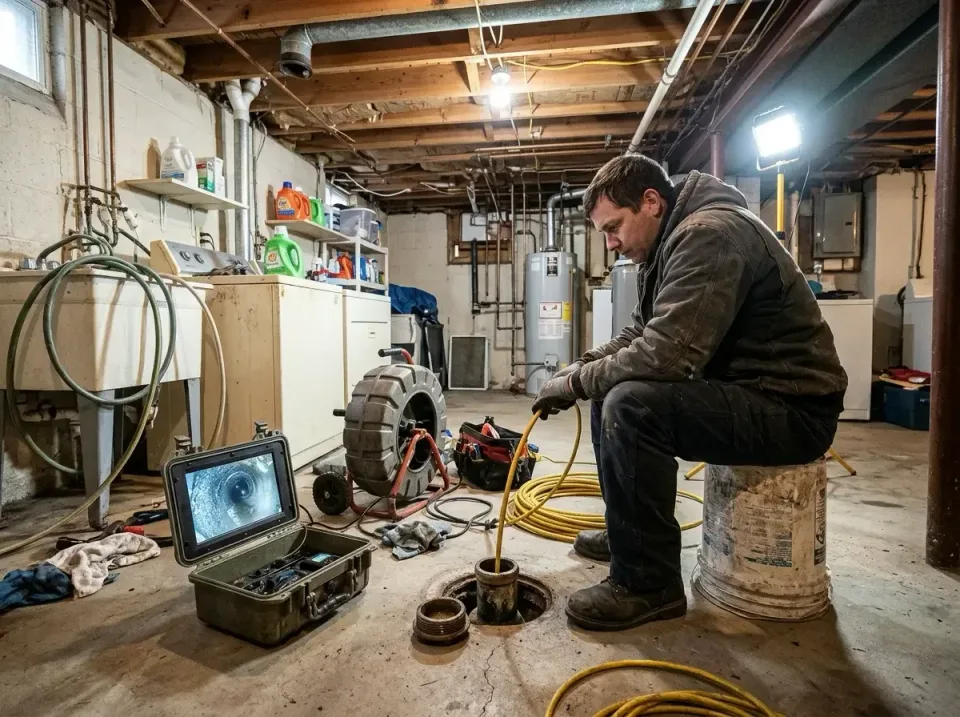
Our main water line repair process starts with diagnosis, not automatic replacement. If the cause is elsewhere, we say so.
Which Main Water Line Repair Option Fits?
The right fix depends on where pressure is lost and whether the cause is a component, a local obstruction, or a damaged supply line. A drought can affect private wells and water supply, so a well owner near Garden City’s Lee Richardson Zoo should distinguish a falling well supply from a plumbing-line fault before choosing work.
In Kansas City, Strawberry Hill Museum sits in an urban setting where access planning may shape how a crew reaches buried piping. Wichita’s Keeper of the Plains is a useful local reference when coordinating service across the city; the property itself still determines the repair approach.
| Option | Best for | Key detail |
|---|---|---|
| Pressure regulator repair | Low pressure across fixtures with a faulty regulator | Common setting is 50–60 psi; regulator limits incoming pressure. |
| Booster pump installation | Confirmed low supply pressure that a pump can address | Size depends on required gallons per minute. |
| Well pump pressure repair | Weak flow paired with pump cycling | The pressure switch controls pump cycling. |
| Water line leak repair | Confirmed leak on the supply route | Repair scope depends on excavation and line depth. |
| Corroded pipe replacement | Widespread corrosion restricting flow | Replacement addresses damaged pipe; localized buildup may have other options. |
Ask for the test findings and the reason the proposed option fits your system.
How to Prepare for Main Line Testing
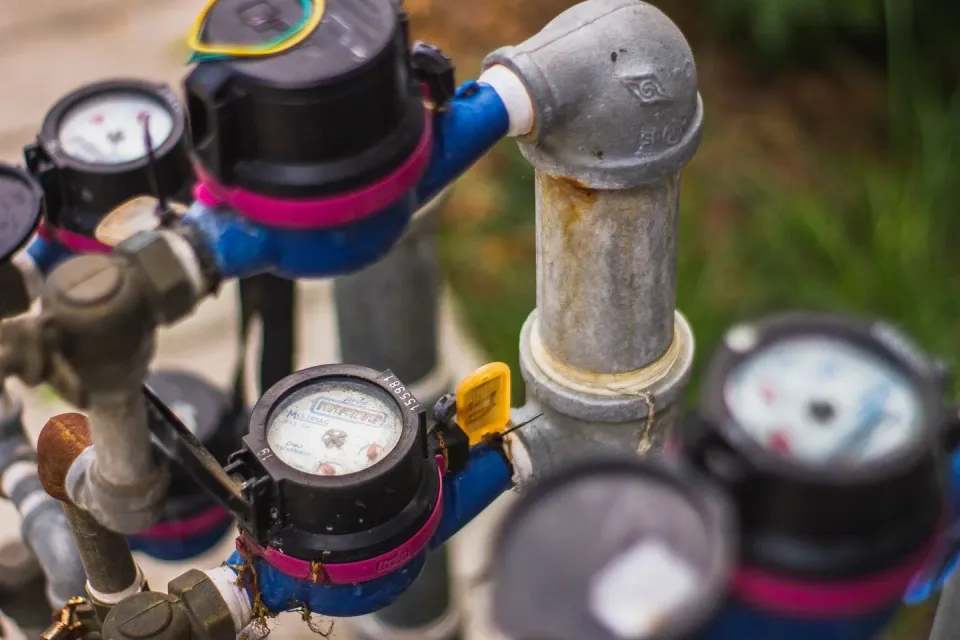
A little access preparation makes diagnosis more useful. Tell us whether your home uses municipal water or a private well, and clear the meter and regulator area before the visit.
Cold winter fronts can freeze exposed plumbing, so point out vulnerable outdoor sections; snow and ice may also delay work that requires digging. Homes near Milford State Park should mention any access limits around outdoor equipment when arranging service.
| Step | What to do | Why it helps |
|---|---|---|
| 1 | Locate the main shutoff and leave a clear path. | We can identify the control point safely. |
| 2 | Identify the water source and any well equipment. | The test approach differs by system. |
| 3 | Clear access around the meter and regulator. | The crew can inspect and measure without moving stored items. |
| 4 | Protect floors near indoor plumbing work. | Keep the work area ready for testing. |
| 5 | Plan for a temporary shutoff if pipe work is approved. | Everyone knows when water service may pause. |
| 6 | Leave room for pressure retesting after work. | Results can be checked with fixtures operating. |
Spring thunderstorms can bring heavy rain and hail, so report any water entry or saturated work area before outdoor repairs are scheduled.
Ready to Check a Weak Main Water Line?
A pressure symptom alone cannot tell you whether a main line needs repair or replacement; measured results and pipe condition can. Severe thunderstorms and tornadoes occur seasonally in Kansas, so if weather has affected access to an outdoor line, tell us when arranging an inspection.
Near the Tallgrass Prairie National Preserve, a longer trip or exposed work area may call for careful scheduling. The Wichita Dwight D.
Eisenhower National Airport is another familiar statewide reference point for planning service coordination, not a substitute for an on-site diagnosis.
-
Describe the pattern: Tell us which fixtures are weak and when the change began.
-
Share access details: Identify the shutoff, meter, and any visible wet ground.
-
Request a diagnosis: We measure pressure and explain what the findings support.
Contact Kansas Plumbing Pros for main water line repair when whole-house pressure loss points to a supply-line problem.